Palo Library
Design Systems
Client
Years
Palo Alto Networks
2019–2025
Problem Statement
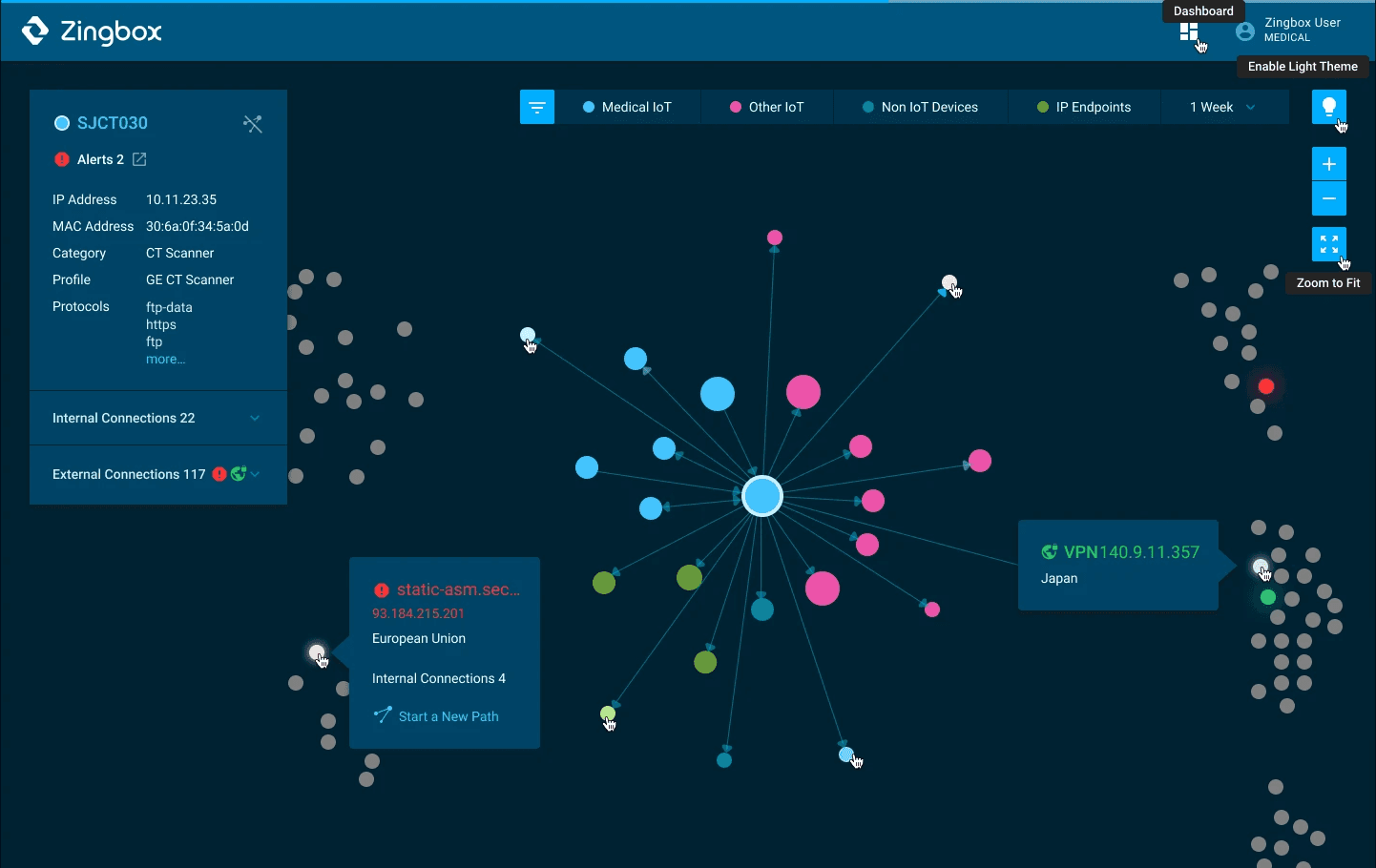
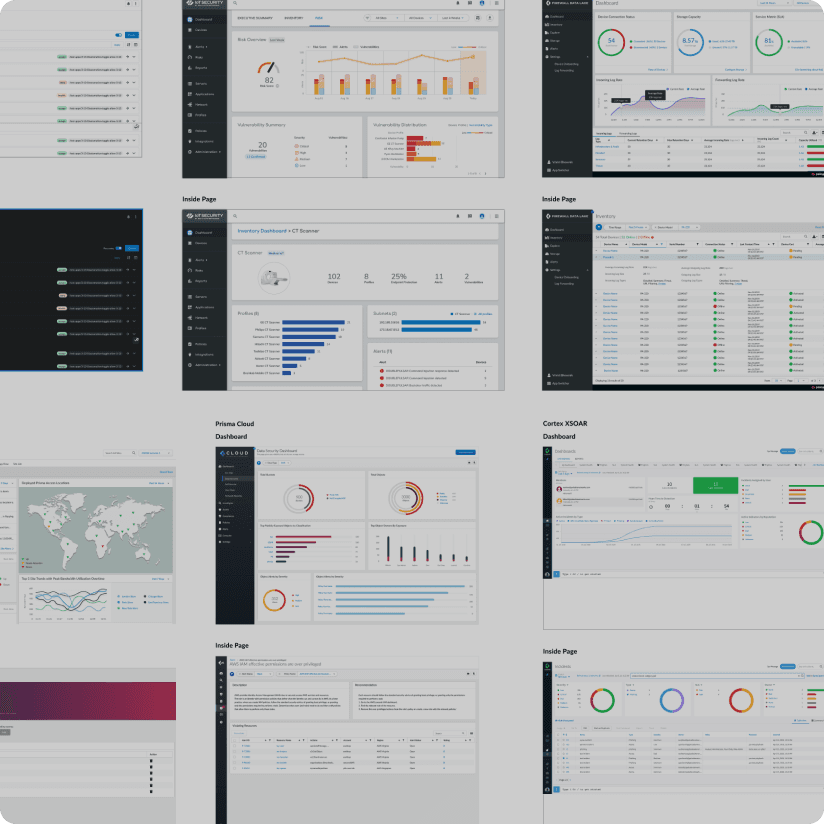
Over eight years, 21 companies were acquired — each with its own style and design, and operating in silos. Internal and external users struggled with cognitive load from inconsistent interfaces. Palo originated as a centralized design system to support the entire company in bringing consistency to a cohesive user experience.
Audience
Primary users of the design system included product design teams, their user experience designers, and engineering teams.
Role
As Principal UX Designer, I led the creation and enhancement of foundational elements: colors, typography, iconography, elevation, and core components. I collaborated in a hybrid environment directly with a design system manager for four years and mentored a junior designer for the last two years. I also had a direct partnership with the engineering and architecture team.
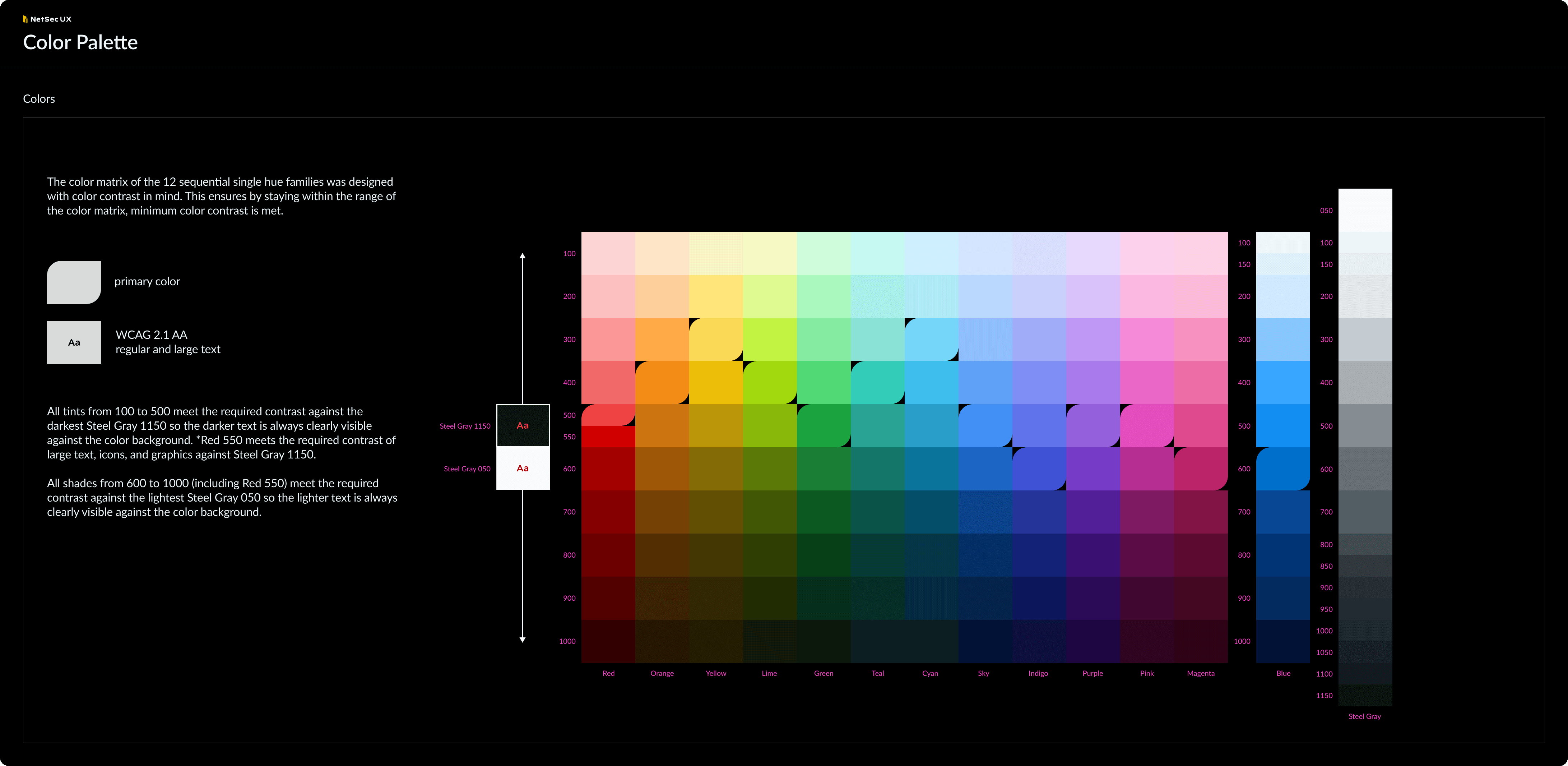
Colors
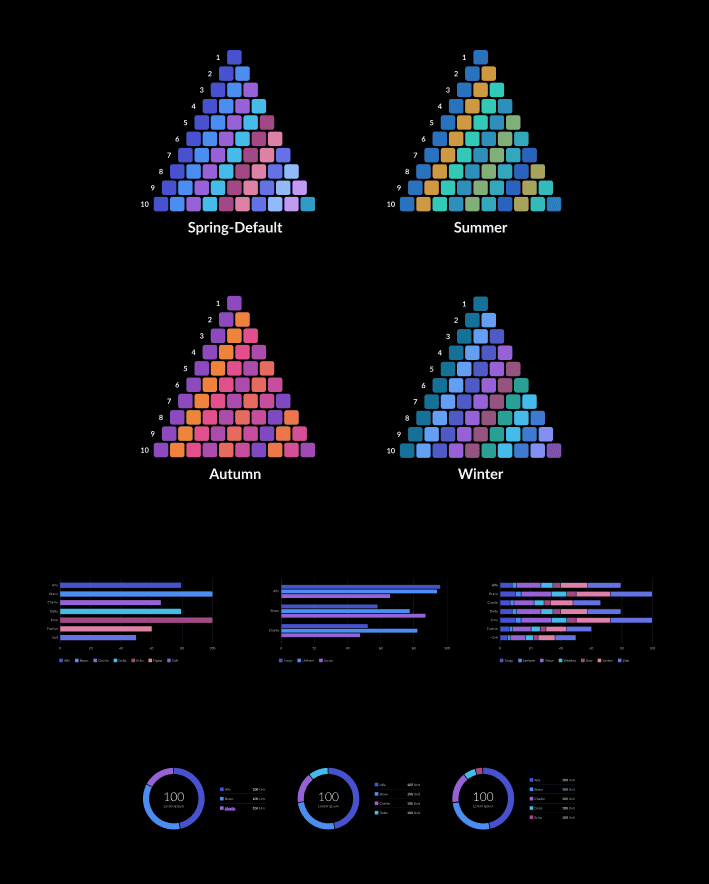
I created and established the primary set of colors, and later expanded the color families with secondary and data visualization colors, while addressing accessibility and color deficiencies.
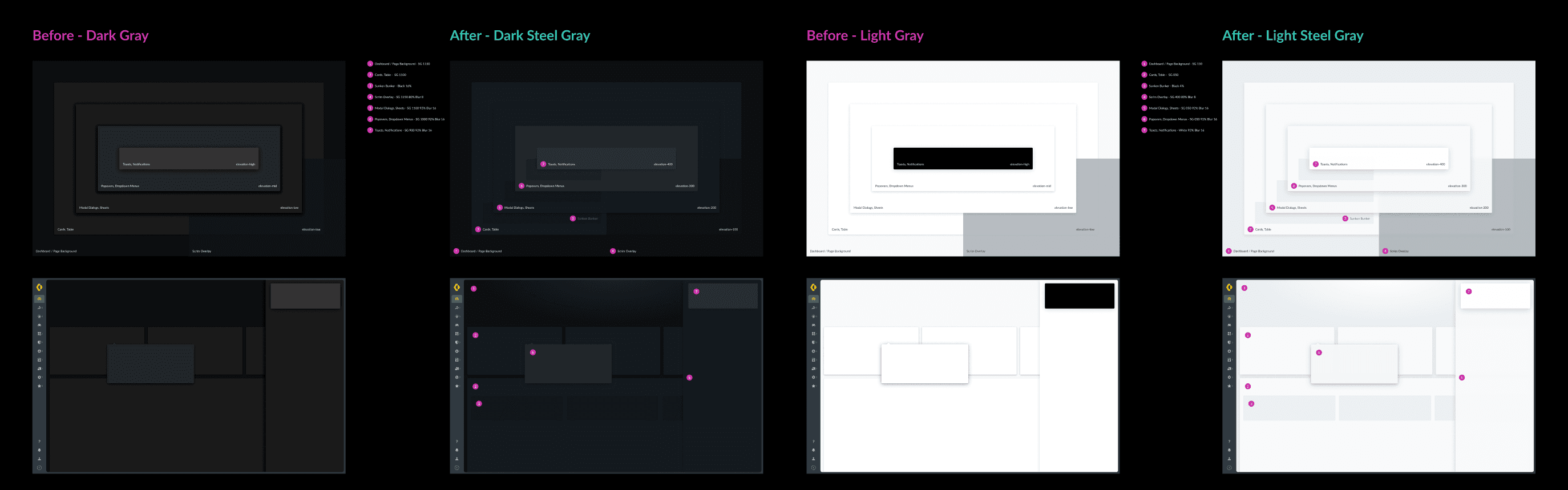
Themes and Elevation
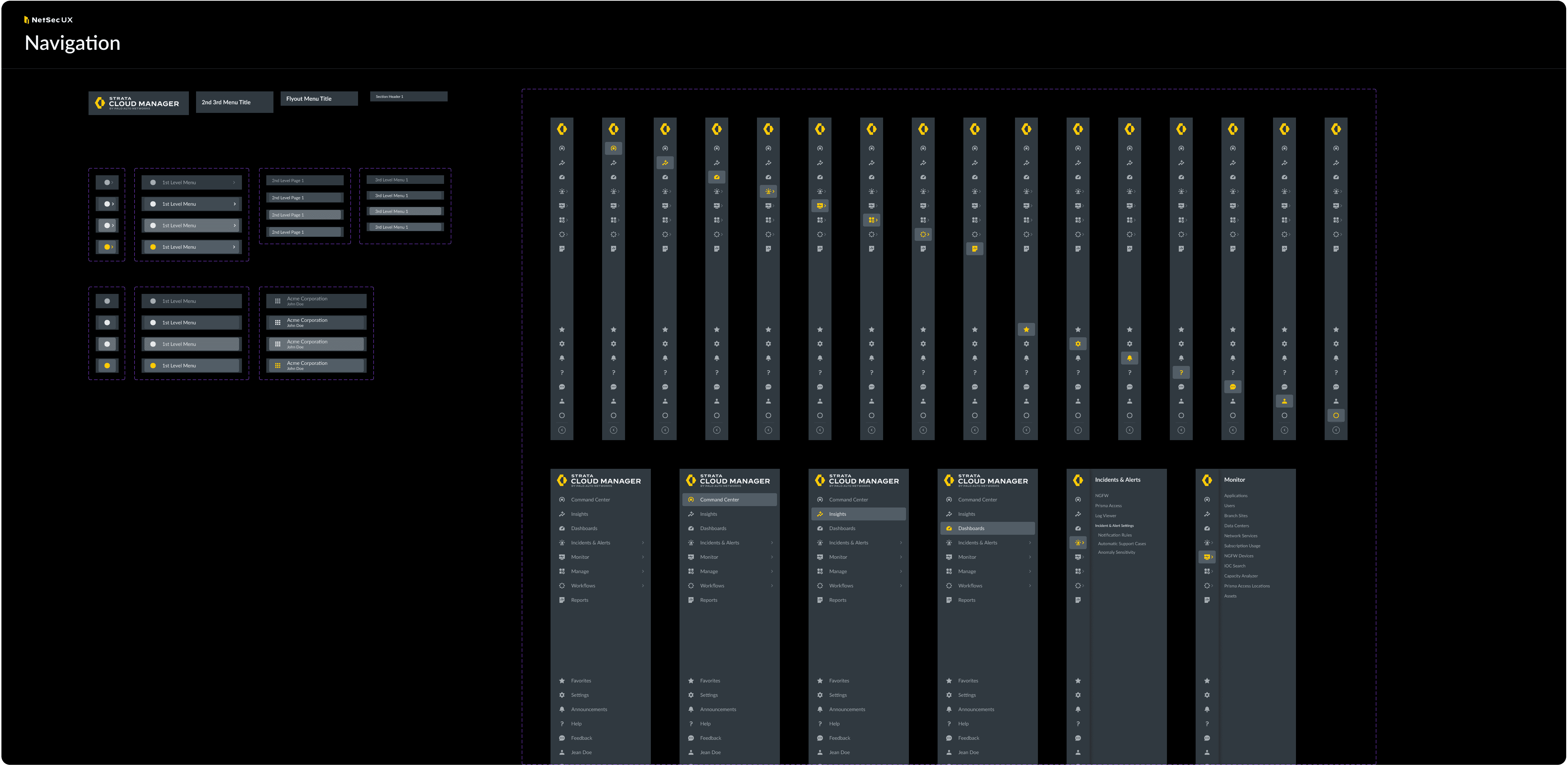
I explored variations on the dark and light ui themes, evolving the visual vocabulary and aligning with the new navigation style. I partnered with a front-end developer to create the Tailwind CSS library of tokens, while I implemented Figma variables to support easy mode switching.
Typography
Multiple use cases and layouts were considered to consolidate the fonts and establish the proper hierarchy. The main typeface was inherited from prior use across the majority of products.
Iconography
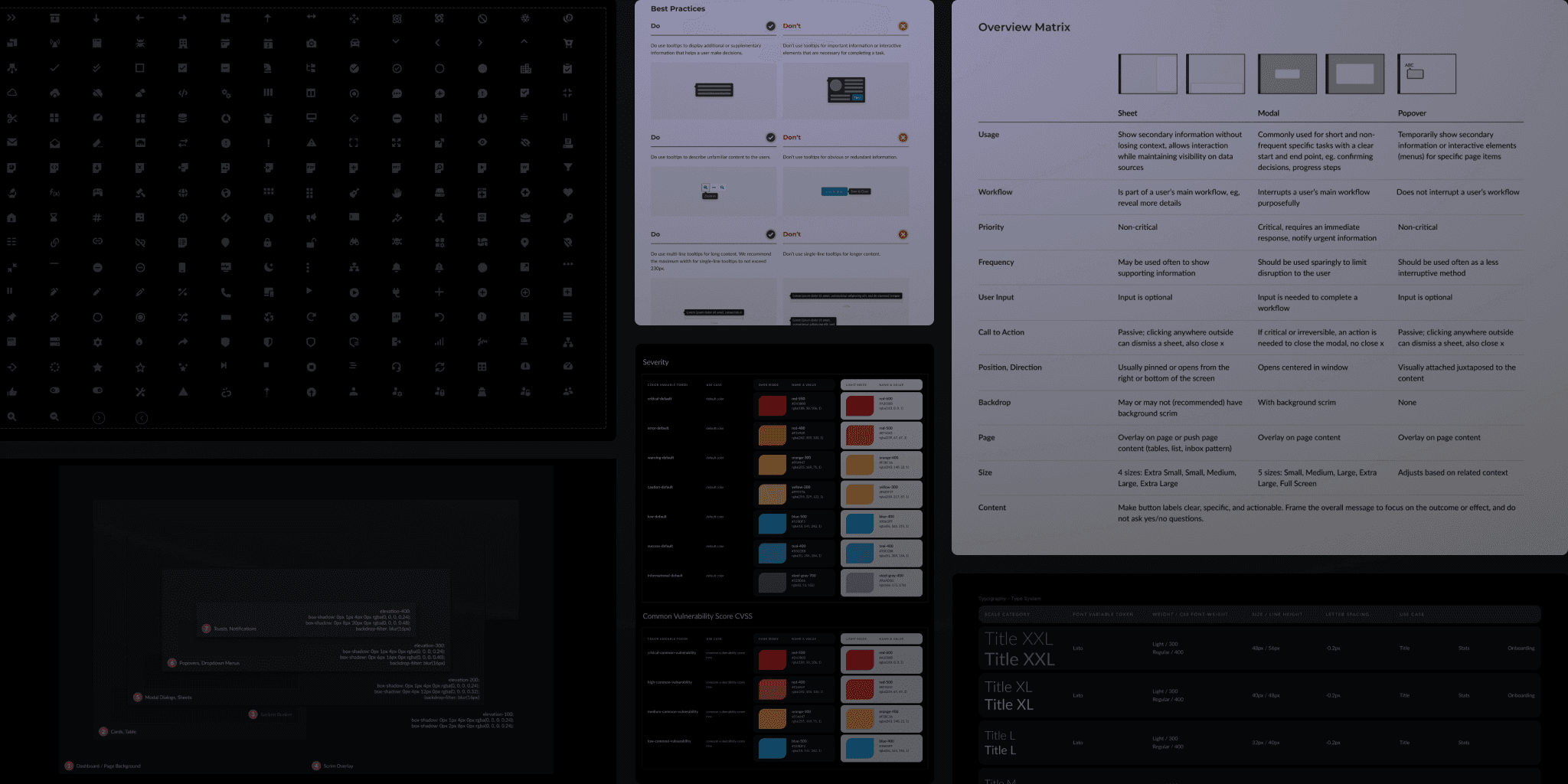
Previously, free and open source icons were used across interfaces. A custom icon set was designed for proprietary use and to differentiate from competitors. I helped direct the overall design of the 300+ icon library and contributed to the maintenance and new additions.
Core Components
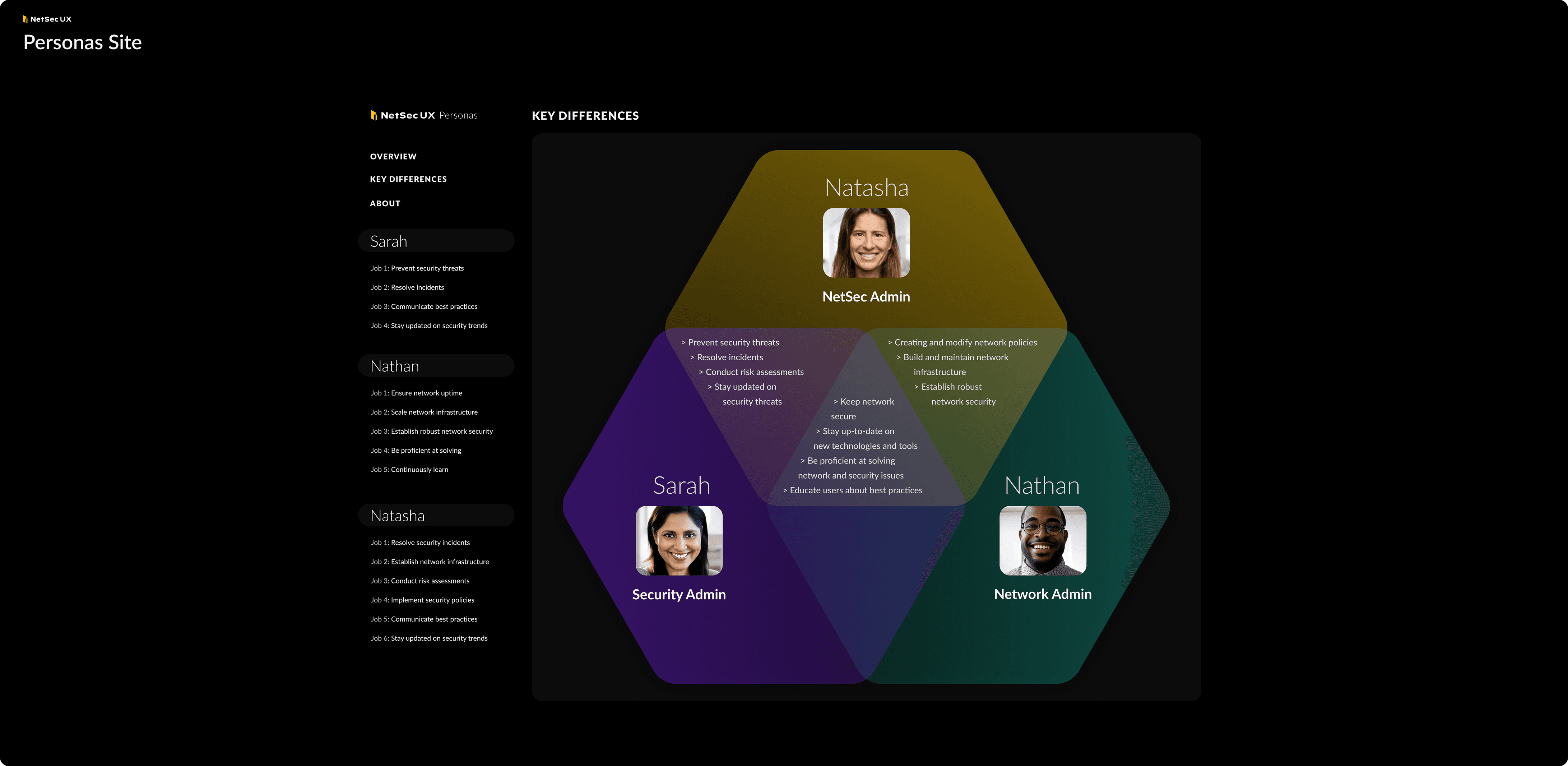
I owned and designed many of the components in the Palo DS, and collaborated and mentored a junior designer in the process. Specification documentation established the single source of truth. Personas were created collaboratively with the user research team.
Outcomes
The Palo Design System has matured into a well-established resource for both designers and engineers. When scaling a system of this magnitude over the last few years, I can reflect on what could be done differently. Design system success depends on adoption strategy, not just component quality. One lesson learned is to bring in research earlier to the process than to rely on democratically reaching decisions among designers. The sales engineering group also provided valuable customer feedback that helped drive outcomes.